Inside JHCOOL
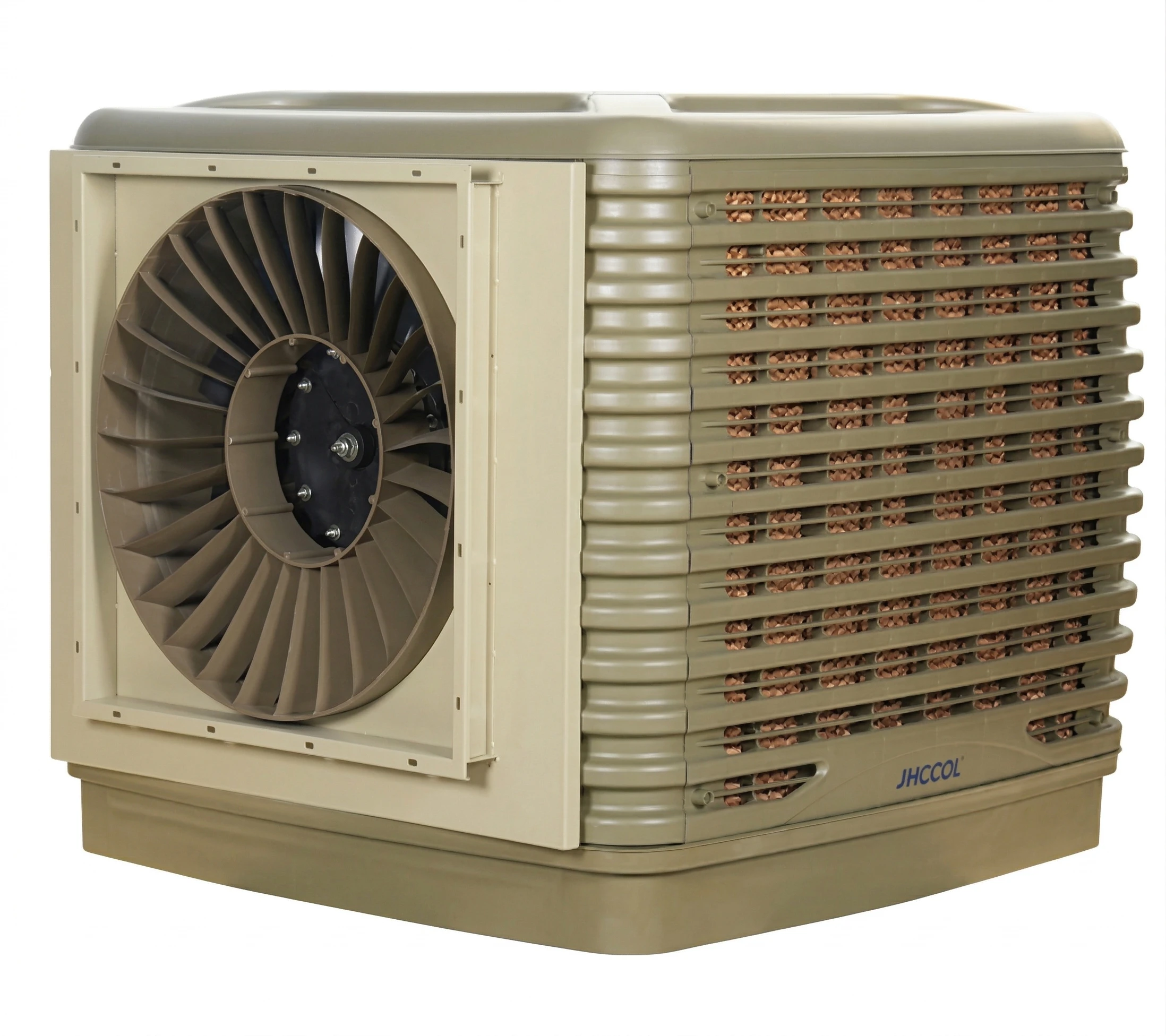
2003: The First Plastic-Shell Evaporative Cooler, Built in a 600 m² Workshop
How a 2003 bet on a one-piece plastic shell turned a 600 m² workshop into a TÜV-verified manufacturer shipping 10,000+ units a month to 100+ countries.
The 2003 bet
In 2003, almost every evaporative cooler sold anywhere in the world had a galvanized steel shell with riveted seams, a forward-curved centrifugal fan, and a cellulose pad that needed replacing twice a season. They were loud, heavy, rusted within five years, and looked like industrial machinery because that is what they were.
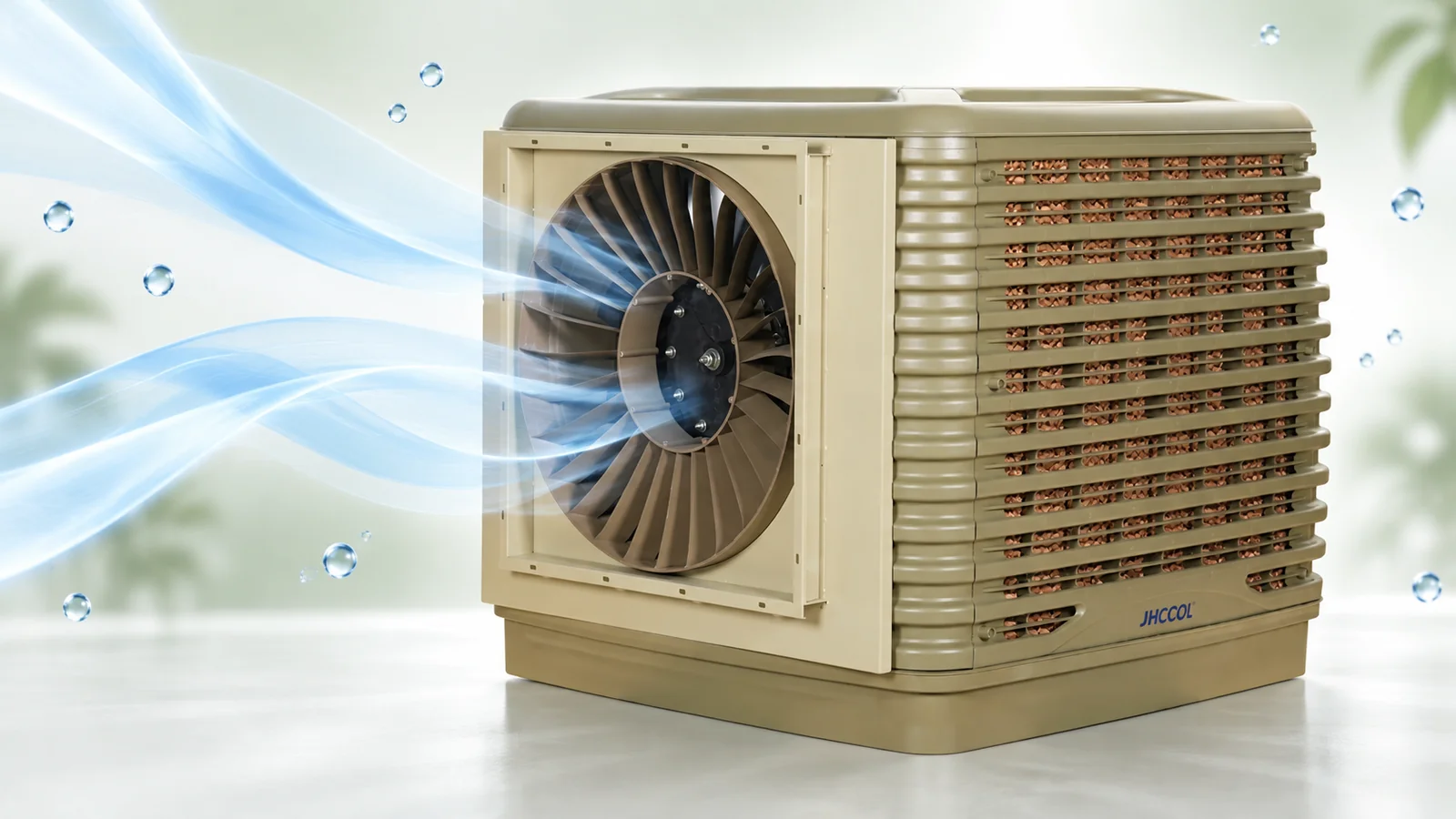
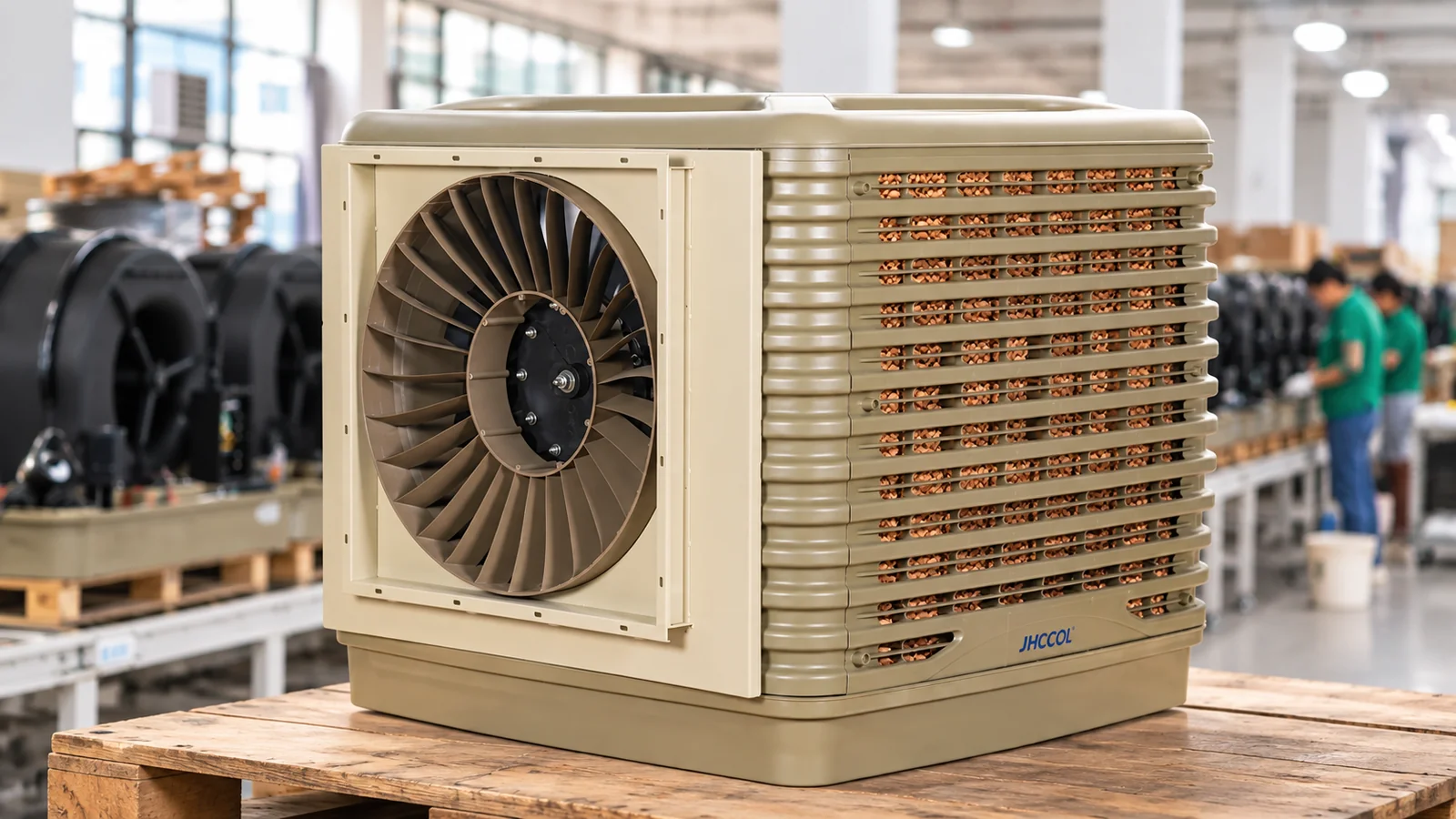
That year, our founder — together with a small R&D team in Fuzhou — made a bet the industry thought was eccentric: mold the entire cooler shell in a single piece of injection-molded polypropylene. Replace the metal fasteners with integrated snap fits. Replace the riveted seams with molded parting lines. The cooling pad, the fan, the water distribution, the float valve — all of that was off-the-shelf. The breakthrough was the shell.
Why plastic, not steel
The numbers seemed obvious once we ran them:
- Weight. A comparable 30,000 m³/h steel-shell cooler weighed 78 kg. Our first plastic prototype weighed 41 kg — half the mass, and a one-person lift instead of a forklift.
- Corrosion. The Panama Canal pilot we ran in 2003–2004 came back with the steel units showing white rust at the seams. The plastic units looked like the day they shipped. In coastal and high-humidity deployments, the difference is permanent.
- Acoustic. The plastic shell dampens fan noise better than a riveted steel enclosure. Subjective comparison put the plastic unit 3–4 dB quieter at 1 m — enough to move from "industrial" to "semi-industrial" classification in customer spec sheets.
- Tooling amortization. Injection mold tooling is expensive up front, but every unit after the first 8,000 has near-zero marginal shell cost. The break-even was 14 months.
From 600 m² to 30,000 m²
The first year, we shipped 1,200 units out of a 600 m² workshop in Mawei. By 2006 we had moved to a 4,000 m² dedicated facility, added a second injection-molding line, and shipped our first 20-foot container to a buyer in Saudi Arabia. By 2012 we had crossed 10,000 units a month in sustained output.
The plastic shell was the unlock. It made the cooler light enough to ship economically to inland Africa, the Middle East, and South America. It made it quiet enough to sell into restaurants, hotels, and small commercial spaces — not just factories. It made it corrosion-proof enough to give a 3-year warranty in coastal markets.
What we did not change
We did not try to reinvent the cooling pad, the fan, the pump, or the float valve. We buy the best of those from suppliers we have worked with for 15+ years. The lesson from 2003 — the lesson we have applied to every product since — is that one well-chosen material breakthrough is worth more than a dozen incremental engineering changes.
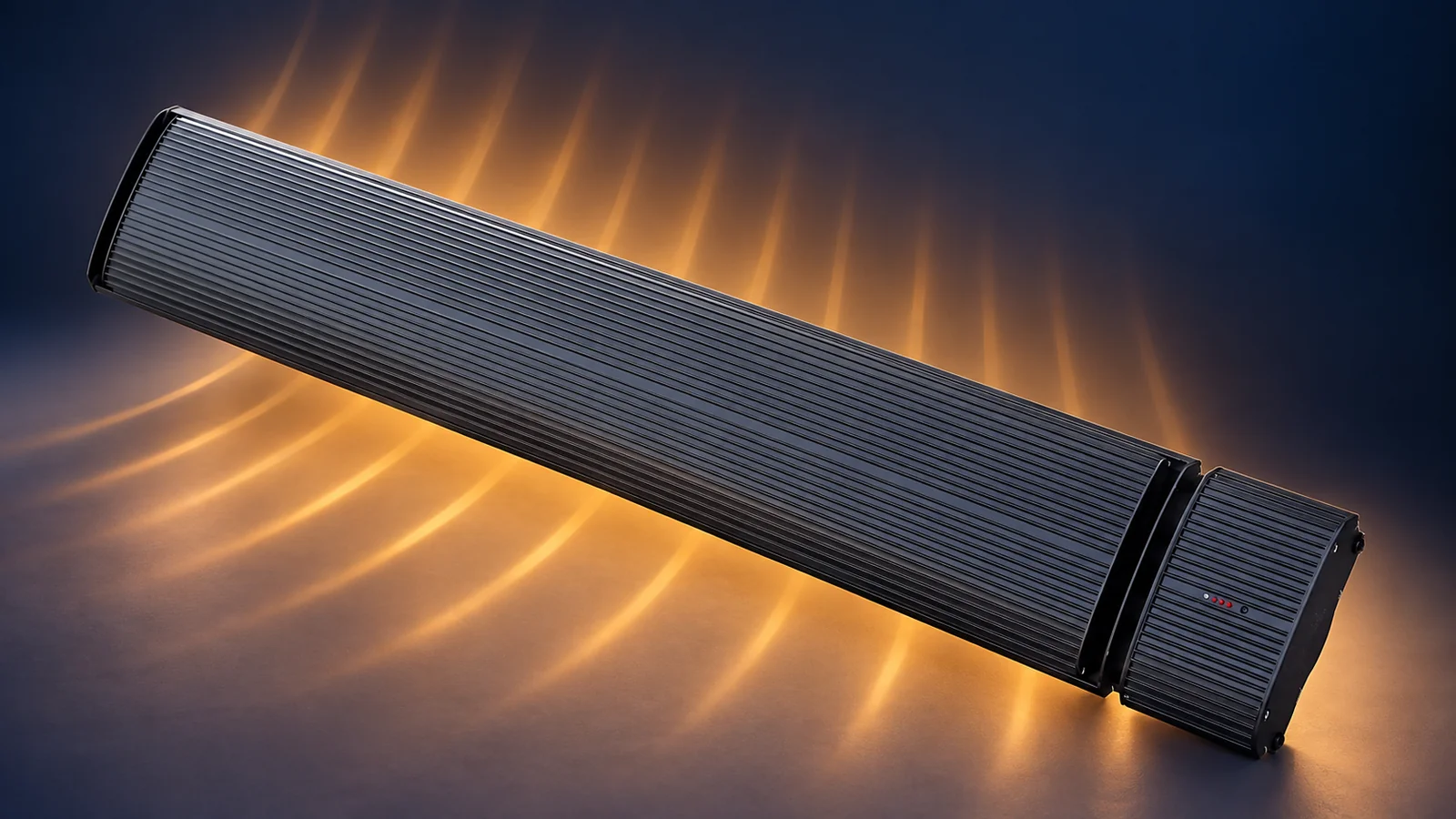
The same logic drives our infrared heater line today. The far-infrared heating element is a commodity from specialist suppliers. The innovation is in the housing, the reflector geometry, the mounting system, and the safety electronics. One breakthrough per product, applied with discipline.
Where we are in 2026
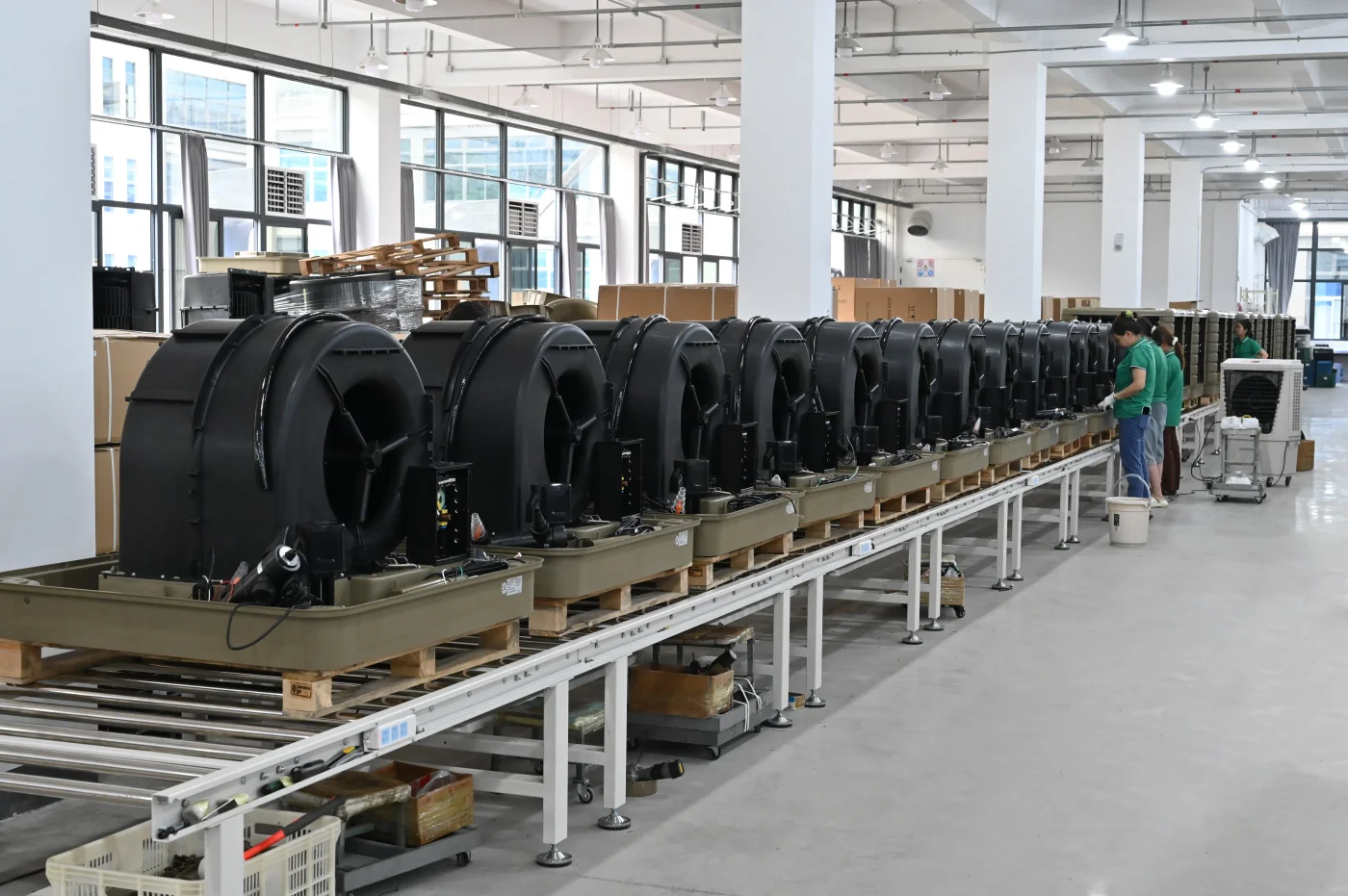
Today the company occupies a 30,000 m² manufacturing campus in Fuzhou with two dedicated production lines (evaporative cooling and infrared heating), in-house injection molding, an in-house R&D team of 28 engineers, and 50+ active patents. We hold TÜV verified manufacturer status and ship to 100+ countries through a mix of direct B2B relationships, Alibaba Gold Supplier listings, and regional distributor partnerships.
We still ship a lot of the same 2003 design. The plastic shell is now in its fourth generation — same core idea, refined tooling, tighter tolerances, and a 5-year warranty instead of the original 1-year. The model number is JH-30. The 2026 model and the 2003 prototype share 60% of their parts.
The bet worked. The lesson still applies.
Want a factory tour video, a TÜV certificate copy, or a sample shipment? Send us a note and we will get it to you within one business day.